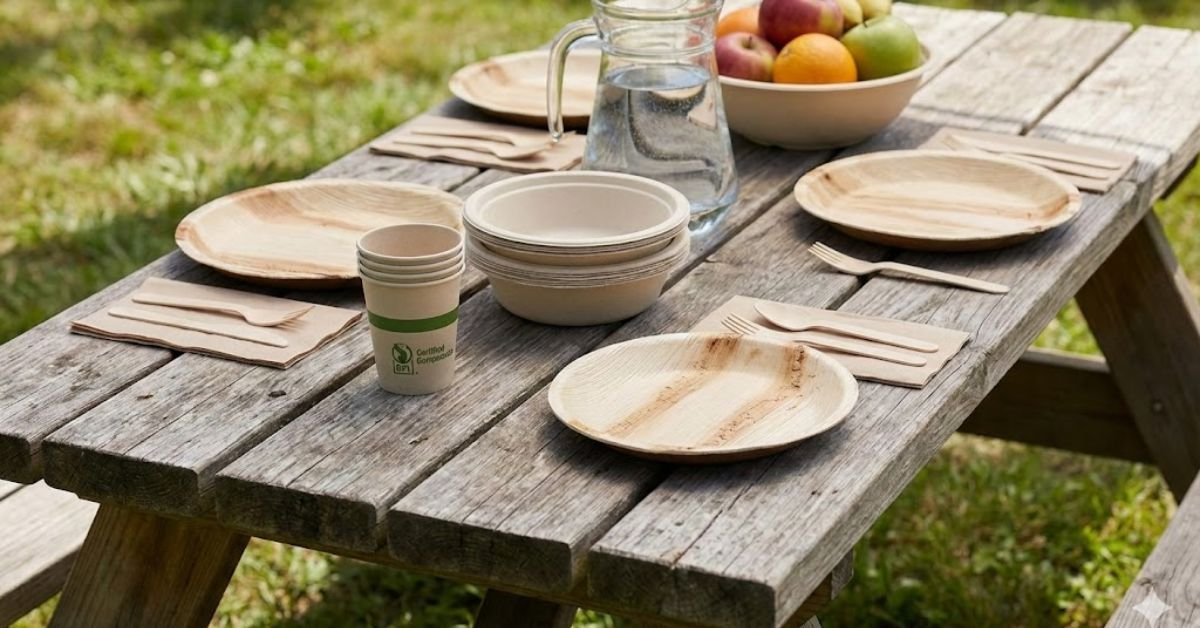
Selecting eco-friendly disposable plates and cutware is becoming essential for homes, restaurants, and event planners who care about sustainability. Many people today compare natural materials such as wheat straw and bamboo to understand which option is safer, stronger, and more environmentally friendly. If you want a clear, detailed comparison, resources like Wheat straw vs bamboo plates are extremely helpful in understanding which material suits different needs.
Why Eco-Friendly Tableware Matters Today
Plastic plates, plastic cutlery, and Styrofoam products have been convenient for decades, but they come with a heavy environmental cost. These materials can take hundreds of years to break down and often release toxic chemicals into soil, water, and air. In contrast, eco-friendly disposable tableware offers a safer and more sustainable alternative without sacrificing practicality.
Eco-conscious tableware made from natural materials helps to:
Reduce plastic pollution
Lower carbon emissions
Promote responsible manufacturing
Support global sustainability initiatives
Protect wildlife and ecosystems
More businesses and individuals are choosing sustainable options because they understand that even small daily choices contribute to long-term environmental change.
Understanding Popular Eco-Friendly Tableware Options
To make the right decision, it’s important to understand the most popular biodegradable tableware materials available today.
🌿 Bamboo Tableware
Bamboo is one of the most sustainable natural resources on earth. It grows rapidly without the need for pesticides and regenerates naturally, making it highly renewable.
Benefits of bamboo plates and utensils include:
Excellent strength and durability
Naturally beautiful appearance
Suitable for hot, cold, oily, or heavy foods
Smooth, safe surface for food contact
Premium look suitable for events and restaurants
Bamboo plates are ideal for weddings, catering services, premium dining experiences, eco-friendly restaurants, and home celebrations.
🌱 Wheat Straw Tableware
Wheat straw is made from leftover agricultural material that would otherwise be burned or discarded. Instead of contributing to pollution, this waste is transformed into useful, biodegradable products.
Advantages of wheat straw plates include:
Lightweight and easy to handle
Biodegradable and eco-friendly
Safe for daily use
Often microwave-safe depending on product design
Affordable and accessible
Wheat straw tableware is ideal for schools, family picnics, casual parties, takeout services, and environmentally conscious businesses looking for cost-effective sustainable options.
🌲 Wooden Cutlery
Wooden cutlery has become a popular replacement for plastic spoons, forks, and knives. It looks natural and adds a rustic charm to dining presentations.
Key benefits include:
Strong and reliable
Naturally biodegradable
Comfortable for users
Stylish for outdoor dining and events
Wooden utensils pair perfectly with bamboo or wheat straw plates for a completely plastic-free dining experience.
📄 Paper Plates (Eco-Grade)
Modern eco-friendly paper plates are far more advanced than the weak paper plates of the past. Many are made using responsibly sourced or recycled paper, layered technology, and natural, food-safe coatings.
Benefits include:
Lightweight but durable
Grease-resistant
Suitable for everyday use and large events
Cost-effective and widely available
Paper plates work best for birthday parties, corporate events, fast-food outlets, and large gatherings where convenience and affordability matter.
Factors to Consider Before Choosing Eco-Friendly Tableware
Not every eco-friendly plate suits every situation. To choose wisely, consider the factors below.
Strength and Durability
If you’re serving heavy meals, thick sauces, or hot food, choose materials like bamboo or strong paper. For lighter foods like snacks or desserts, wheat straw or standard eco paper plates are usually enough.
Temperature Resistance
Hot meals, soups, and oily foods require heat-resistant materials. Bamboo and high-quality wheat straw products generally perform well in these conditions.
Environmental Certifications
Look for plates labeled:
Biodegradable
Compostable
Eco-certified
These labels ensure the products meet environmental and safety standards.
Health and Safety
Natural materials are generally safer than plastic, especially when exposed to heat. Always choose high-quality suppliers known for safe manufacturing practices.
Budget Considerations
Eco-friendly products now come in a range of price options. Wheat straw and paper products tend to be more budget-friendly, while bamboo often suits premium or professional use.
Where Eco-Friendly Tableware is Commonly Used
Sustainable disposable plates and cutlery are widely used across industries and occasions, including:
Restaurants, cafes, and takeaway shops
Hotels and catering services
Weddings and corporate events
Picnics and outdoor festivals
Schools and educational institutions
Household parties and celebrations
Retail eco-product stores
No matter the environment, eco-friendly tableware supports both convenience and environmental responsibility.
Benefits for Businesses Switching to Eco-Friendly Tableware
Businesses benefit significantly when they adopt sustainable serving products.
Major advantages include:
🌍 Better Environmental Responsibility
Aligns your business with global sustainability goals.
🌟 Improved Brand Image
Customers appreciate companies that care about the planet.
📜 Compliance with Regulations
Many regions are banning plastics; eco-friendly options ensure readiness.
🍽 Enhanced Customer Experience
Natural materials look beautiful and enhance presentation.
💼 Marketing Opportunity
Being eco-conscious can attract environmentally aware customers.
Benefits for Everyday Consumers
Eco-friendly plates and cutlery aren’t just for businesses—they’re perfect for households too.
Safe for family use
Excellent for party hosting
Stylish presentation
Guilt-free convenience
Reduced environmental impact
Switching to eco-friendly options helps families teach children about responsibility toward nature as well.
Practical Tips for Making the Best Choice
Here are some easy guidelines to follow:
Choose bamboo for strength and premium presentation
Choose wheat straw for affordability and sustainability
Choose paper for lightweight, casual, or large events
Use wooden cutlery instead of plastic
Always check eco certifications
Buy from trusted eco-focused brands and suppliers
Doing a little research ensures you get the right combination of durability, price, and environmental benefit.
Final Thoughts
Eco-friendly disposable tableware proves that convenience and environmental care can exist together. Whether you choose bamboo, wheat straw, wood, or eco paper, each decision helps reduce plastic waste and promotes a healthier planet. By understanding material differences and selecting responsibly produced products, individuals and businesses can make smarter, greener choices every day. For more guidance on choosing the right sustainable option, visiting trusted eco product platforms like anzhucraft.com can help you explore quality eco-friendly tableware solutions and make confident, environmentally responsible decisions.